
It involves using a sterile urine sample with a detection window of about 80 hours. Middlesex County in New Jersey notes a 57% completion rate for detox and related care, with 41% of individuals continuing treatment afterward. The duration that alcohol remains detectable in urine is influenced by various factors related to metabolism, consumption patterns, and individual characteristics. In urine, alcohol can be detected from 12 to 130 hours if a person has been drinking excessively. Phosphatidylethanol (PEth), a biomarker that reflects alcohol intake, can be detected up to 14 days in urine. Alcohol can be detected from 12 to 24 hours in the breath, as well as in saliva.
How to Ensure Accurate Results
During this process, a small amount of ethanol undergoes a separate reaction involving glucuronic acid, forming ethyl glucuronide. A urine test can detect alcohol, ethanol, and certain byproducts from consuming it. Urine tests are one of the cheapest (yet effective) ways to confirm if there was any drinking involved in the event that would require drug screening for said substance. Depending on how much alcohol one consumes, they will hit peak blood alcohol level within 30 minutes to 2 hours after drinking if they haven’t eaten. Eating tofu, cheese, and other high-protein food before drinking or while drinking alcohol slows absorption of alcohol. Smaller people may have a higher BAC when drinking the same amount of alcohol as larger individuals.
The Steps of Recovery
- While detection times may vary, it’s crucial to be aware of the factors that influence alcohol metabolism and to exercise responsible drinking habits.
- For example, medications taken for liver disorders can slow down the metabolism of alcohol.
- The liver breaks down most of the alcohol consumed but can only process so much at once.
People with liver disease metabolize alcohol differently, which may delay or intensify ETG production. Jaclyn P. Leyson-Azuela, RMT, MD, MPH, is a licensed General Practitioner and Public Health Expert. She currently serves as a physician in private practice, combining clinical care with her passion for preventive health and community wellness. However, the exact duration that the metabolite is excreted in the urine is dependent on the amount of alcohol you drank.
- While standard tests detect alcohol for hours, advanced EtG testing can identify use for up to 80 hours.
- Genetics, age, and liver health directly impact enzyme activity, with slower metabolism potentially extending detection times.
- Recreational marijuana use laws do not protect employees from zero-tolerance workplace policies.
- Certain medications and health conditions can also impact the metabolism of alcohol and its detection.
- Since this test looks for a specific by-product of alcohol rather than ethanol, the results are more accurate than a basic ethanol test.
Hydration & Urine Concentration
It is then converted into acetate, which, in turn, can be converted to water and carbon dioxide. Through exhaled breath and urine, carbon dioxide and water are easily eliminated. When you drink alcohol, 20% of it is absorbed through the stomach while 80% is absorbed in the small bowel, and then goes directly into the bloodstream.

Yes, standard drug tests (like a 5-panel test) don’t screen for alcohol, but specialized tests (urine ETG, breathalyzer, blood tests) do. Urine tests detect alcohol for up to 80 hours, blood tests up to 12 hours, saliva tests up to 24 hours, and hair tests for up how long does alcohol stay in your system to 90 days. Alcohol stays 6 hours to 90 days in your system after drinking, depending on the type of test used.
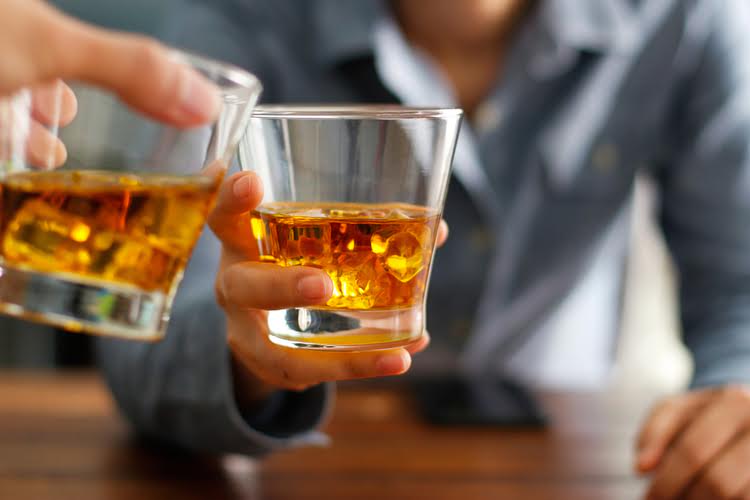
Alcohol Detection Tests: Overview
Standard urine tests, though less sensitive, can detect alcohol within hours. To ensure accurate results, one should avoid alcohol hours before the test, stay hydrated, and follow all testing guidelines. Understanding these aspects helps in better managing health and complying with testing requirements in various settings like workplaces and healthcare facilities. They can be used in workplaces, legal situations, or by healthcare providers to check if someone has been drinking. Because alcohol leaves the bloodstream faster than it leaves the urine, these tests can detect alcohol long after you’ve stopped feeling its effects. Urine drug testing is a valuable tool in addiction treatment and recovery monitoring.
The straightforward answer to this question is that it depends on various factors and can differ in different persons. Although alcohol does not come under the Control Substances Act (CSA), avoiding its usage is necessary to control its side effects on physical and mental performance. heroin addiction Individuals on probation in almost every profession must abstain from alcohol. Therefore, individuals need to know how long alcohol stays in your system to uphold this condition. Yes, your insurance will help treat your alcohol addiction, as most insurance plans cover alcohol addiction treatment like detox, inpatient rehab, outpatient care, and counseling. Coverage varies by provider and plan, so check with your insurer for specifics on co-pays, in-network providers, and pre-approvals.
- These drugs also slow your system down, so when they’re combined, it can lead to dangerously slowed breathing and heart rate – even with small amounts of alcohol.
- Several factors affect the time it takes for alcohol to appear in a urine test.
- The accuracy and reliability of these tests ensure safety, compliance, and fairness in the legal, employment, and medical sectors.
Detection Times
And alcoholism can cause permanent damage to the brain and body5. For a urine test, alcohol can be detected for up to 48 hours after consumption. For breath and blood tests, alcohol might still be present for up to 24 hours, depending on how much you drank and your body’s metabolism. Drinking water, eating food, and getting rest can help your body process alcohol faster, but there’s no guaranteed way to pass an alcohol test within 24 hours. Ethyl glucuronide (EtG) testing is a specific type of urine test that can detect the presence of a metabolite produced when the body processes alcohol.